

Electricians in High Demand Throughout the UK
Electricians are in high demand all over the UK. With a shortage of skilled tradespeople this is a lucrative career option.
There are a few ways to become an electrician, including apprenticeships and vocational qualifications. Apprenticeships usually last for four years and include study as well as work experience, while vocational qualifications are more extensive.
Qualifications
Electricians are highly skilled tradesmen who specialize in the installation and repair of electrical wiring equipment, appliances, and equipment. They are highly sought-after and can earn high salaries. They also enjoy a diverse working environment and are never short of work.
Qualifications
There are numerous ways to become an electrician in the UK. There are apprenticeships, NVQ certificates and full-time study options. The most popular route is to take an apprenticeship. In this course, you work with a certified electrician and receive both technical classroom training and vocational onsite tests. The course could take between 3 and 4 years to complete.
You can also pursue full-time Level 3 qualifications at college or training centres. These qualifications are for 16-18-year-olds and are usually funded by the federal government.
If you have an existing qualification, you may also train to become an electrician. This is an excellent option for those who have graduated from college or university , and want to update their qualifications to meet current requirements.
If you are retrained as an electrician , you'll need to get an Level 3 National Certificate in the field you are interested in. Or you can choose to pursue an Level 3 NVQ Diploma. electricians in the uk can either start your own company, or join an existing company.
Be aware that there could be additional costs for operating your own business. This could include insurance as well as tool coverage and registration of your business. It's also a good idea to choose an electrical training course that is specifically designed for you to help you become an expert in a particular area.
You'll need a strong work ethic, and be able to manage your time effectively. You'll also require an understanding of the legal aspects of your trade. You will also need to be aware of UK wiring regulations (BS7671). There are also plenty of job opportunities in the UK for electricians, with a growing demand for skilled tradespeople.
Experience
Electricians are in demand across the UK, because of the increasing number of new construction projects. This is good news because they'll likely have jobs, which means that they will earn a decent income.
In contrast to most office jobs, electrician s do not work the 9-5 shift and can benefit from flexible working hours. This lets them have a better balance between work and life and earn more than office workers at the same job level.
An electrician has many other benefits, besides their salary. They are able to work outside in a variety of environments, and can choose to work on a short-term or permanent basis. They can also undertake a variety jobs that might not be available in other trades, such as installing solar panels and installing energy-efficient bulbs for lighting.
Electrical work can be physically demanding, and it is important to be equipped with the right skills. You should be able of completing various tasks in the most effective way, and be adept at thinking quickly and solve issues.
Safety concerns should be taken into consideration when working with electricity. Since electricity can cause harm to your safety and health it is essential that you adhere to all safety guidelines when working with electricity.
This is especially applicable to contact points that have wires open where electricity is still flowing. This can be extremely risky and can lead to big electric shocks.
You must keep up with all safety regulations for electrician. You must ensure that your work conforms to the latest wiring regulations and building codes. This is vital if you would like your job to last as long as is possible.
Electricians are attracted to the field because it is an rewarding profession. It can provide them with the sense of purpose and make them feel proud to be part of a vibrant industry. They can also improve the lives of their clients, which is a fantastic feeling.
Working Conditions
Electricians install repairs, maintain and repair electrical equipment and systems that keep buildings, factories and businesses running. electricians in the uk operate in substations and generating stations to keep the power grid running.
A typical electrician's week of work typically lasts between 37 and 40 hours. Many electricians work overtime or shifts to accommodate customer demands. This could include bank holidays, weekends and even 24 hours on call in case of emergency.
Sometimes, they will need to travel for long distances in order to do their job. This could happen in any of a number of industries, including mining, construction, and pulp mills.
They could be required to work in cramped, dusty or hard-to-access locations. They could be a risk as they may be located near or under live wires.
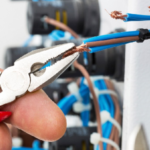
The physicality of this job can be gruelling and can result in strain on wrists, hands, and shoulders. This occupation is prone RSI and carpal tunnel syndrome.
It is crucial for electricians to work in a secure setting, and to adhere to the most recent safety standards. They could be held legally accountable for any harm or error they commit.
Based on their field of work the worker may have to communicate with other tradespeople, such as carpenters or plumbers. They could need to interact with architects, customers and site managers as and other workers.
It is an excellent idea to teach them the basics of science and math. This will allow them to comprehend blueprints, memos and technical documents they receive about new job.
Electricians must be capable of thinking quickly and find solutions to issues, and they should have good attention to detail. They should also be able to take pride in their work and feel at ease and content with the outcomes.
Recent research revealed that employees appreciate flexibility including sick pay, pensions as non-mandatory benefits. More than half of UK workers (42 percent) stated that they would prefer these benefits on advertisements for jobs.
Safety
Safety in the electrical industry is a vital aspect of being an electrician. There are specific health and safety regulations that must be followed. This includes ensuring that you have the required qualifications and wearing the appropriate protective clothing and conducting regular risk assessments.
The HSE has set specific guidelines for working with electricity. All electricians must adhere to these guidelines. This includes making sure they have all their certificates and qualifications, wearing protective clothing while working on site, adhering to safe working methods, and conducting regular inspections of electrical systems and components.
It is essential to conduct a risk assessment for every electrical job, including high voltages and inside panels. This helps to determine the potential risks and how they can be mitigated or eliminated through careful planning and supervision.
It is possible that you will require personal protective equipment (PPE) according to the job you are doing. This may include long-sleeved clothes and safety footwear and eye protection. Insulated boots are used by some electricians to provide insulation and decrease the risk of being burned.
There are numerous ways you can help your colleagues and yourself stay safe while working. For instance, if, for example, you are using power tools or a saw to cut cables and wires, be sure that the power source is turned off prior to beginning.
If you are a landlord, you must ensure that the property is in compliance with current electrical safety regulations. You should obtain an electrical safety report for the property you own. This will include an inspection and inspection of the wiring, fuse board and other components.
This is a crucial step to ensure that the structure is in good order and can be used safely by tenants. You should get an electrician to conduct a safety inspection if it isn't.
The size of the home will affect the cost of the inspection and testing. For example, a small one-bedroom apartment could require an inspection and test that lasts less than half an hour, while a six-bedroom house may take longer to complete.